Trending Global Conflicts

Regions analysts are watching for conflict probability. Expand each card for detailed analysis and risk indicators.

Regions analysts are watching for conflict probability. Expand each card for detailed analysis.

Regional Rivalry and Proxy Dynamics

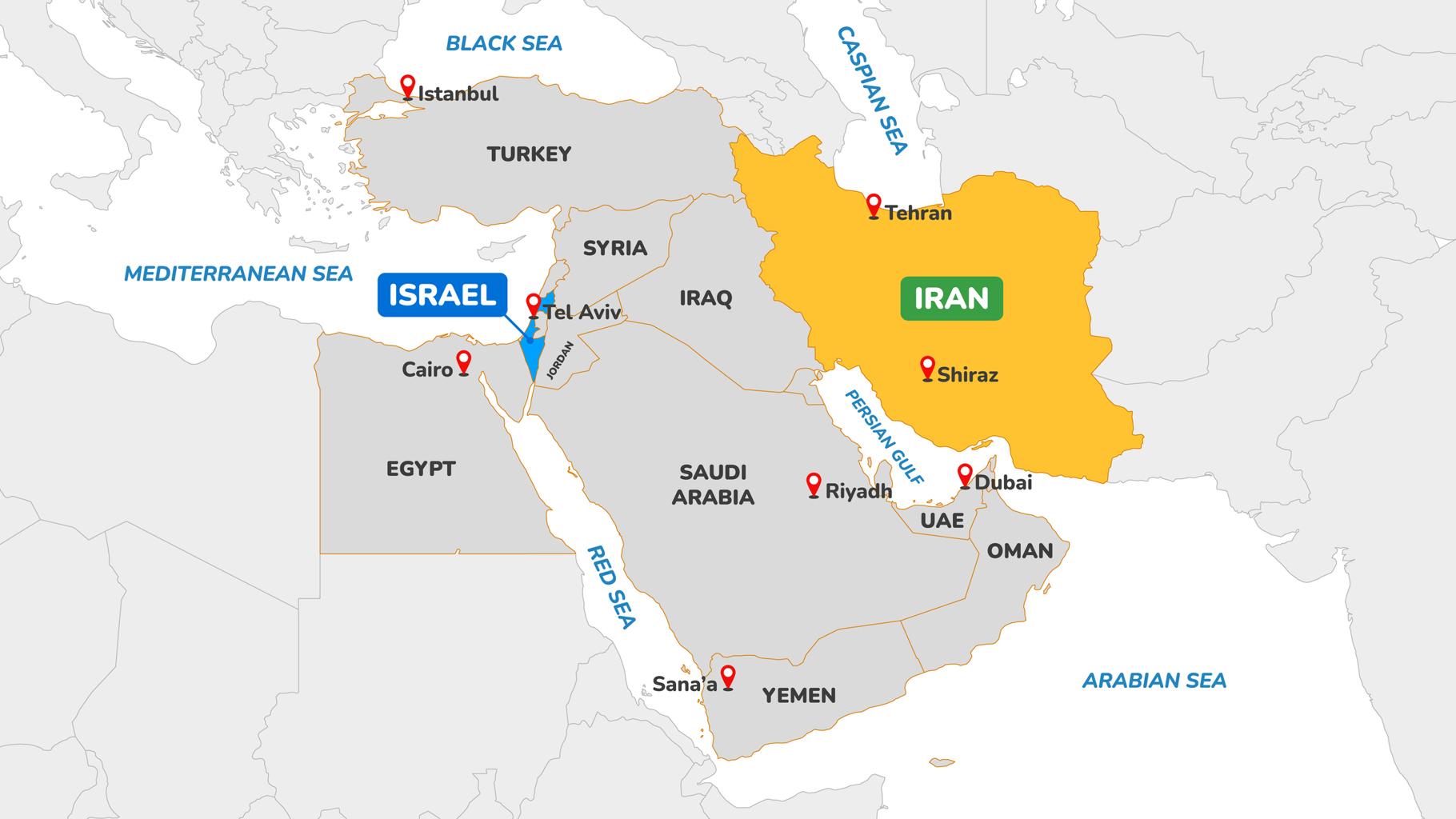
Tensions between Israel and Iran are shaped by decades of regional rivalry, nuclear concerns, and proxy conflicts across the Middle East. Analysts monitor military postures, missile capabilities, and diplomatic statements to assess the risk of direct confrontation or escalation through third parties.

Military and Diplomatic Indicators

Key indicators include strikes and counterstrikes, naval activity in regional waters, and the state of nuclear negotiations. Diplomatic breakdowns or a major security incident could increase the probability of broader regional conflict. PredictWars tracks these developments to help readers understand how analysts estimate escalation risk.
Cross-Strait Military and Political Dynamics

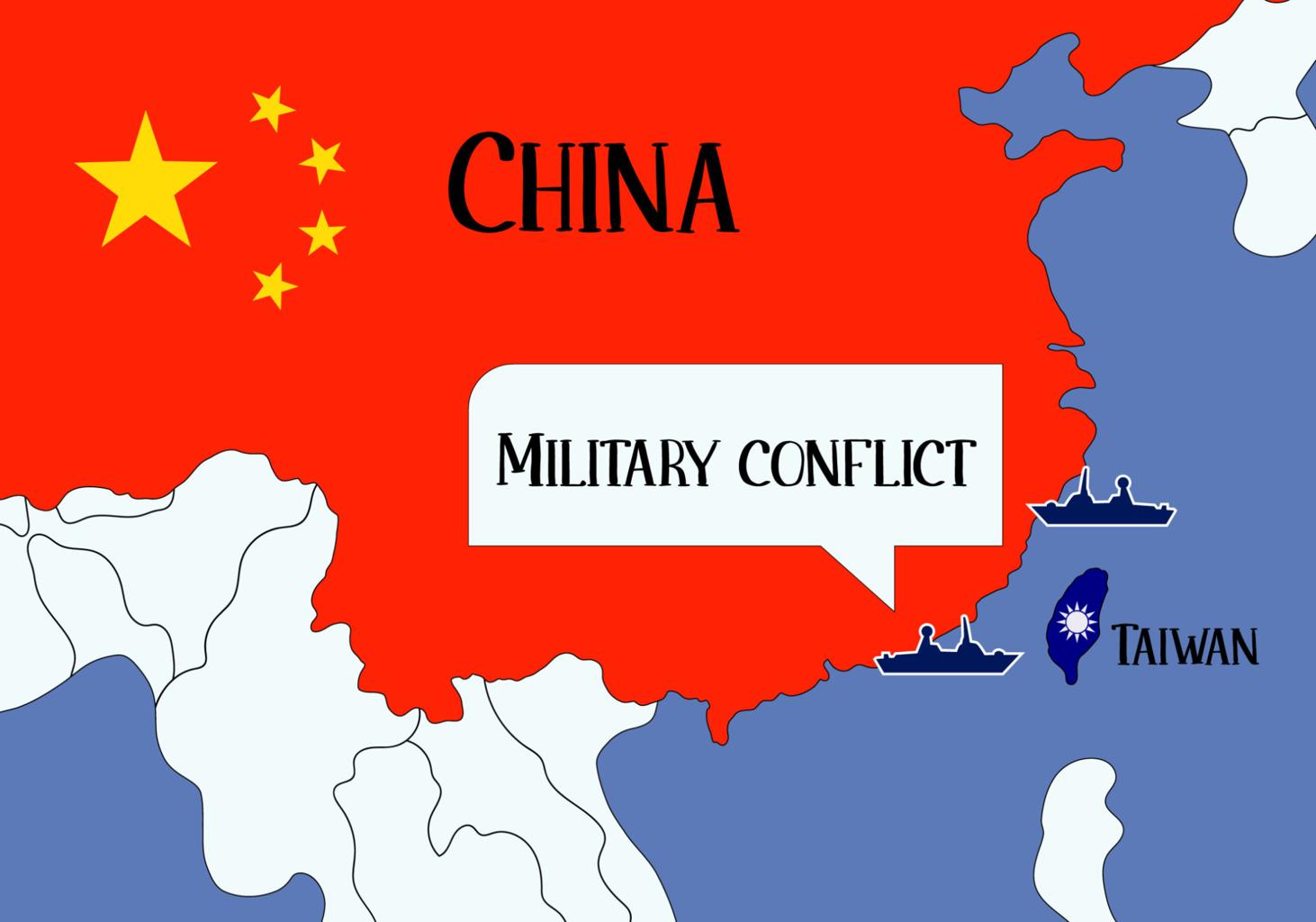
The relationship between China and Taiwan remains one of the most watched geopolitical flashpoints. Military exercises, air incursions, and political rhetoric are closely monitored as indicators of whether tensions are stabilizing or rising. Analysts assess the probability of conflict using data on military posture, economic interdependence, and international alignment.

What Analysts Monitor

Naval and air activity near the median line, leadership statements on sovereignty, and third-party security commitments (including arms sales and alliance statements) are among the signals used to estimate conflict risk. PredictWars explains how these indicators inform geopolitical forecasting in the region.

Eastern European Security and Alliance Posture

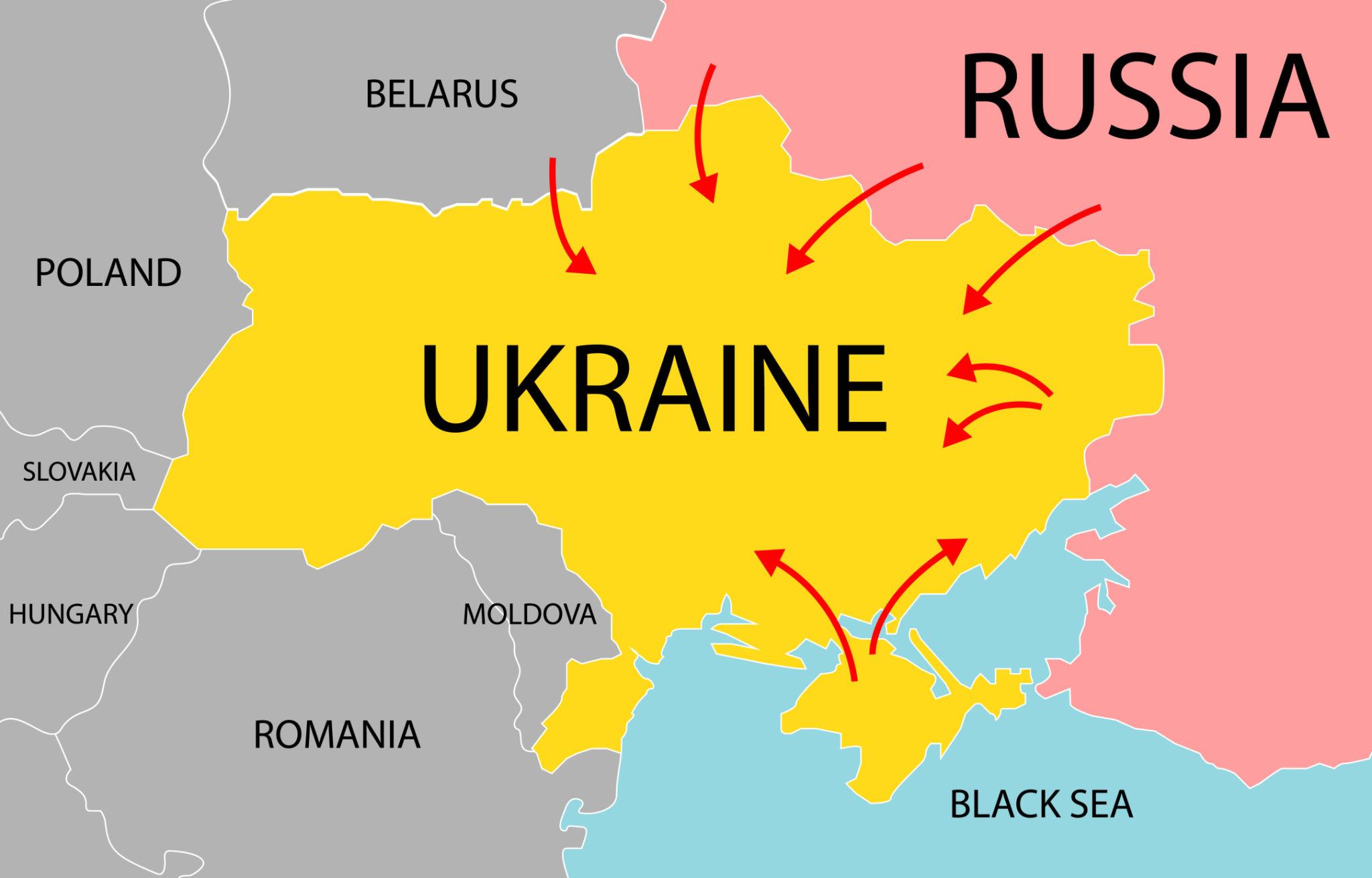
Relations between Russia and NATO are defined by the war in Ukraine, alliance enlargement, and military deployments along the eastern flank. Analysts track troop levels, exercises, defense spending, and diplomatic dialogue to gauge the risk of further escalation or miscalculation.

Key Risk Factors

Developments in Ukraine, NATO reinforcement in the Baltics and Poland, and Russian military posture are central to conflict probability assessments. Understanding these factors helps readers interpret how forecasting models and expert analysis estimate the stability of European security.

Border Security and Regional Instability

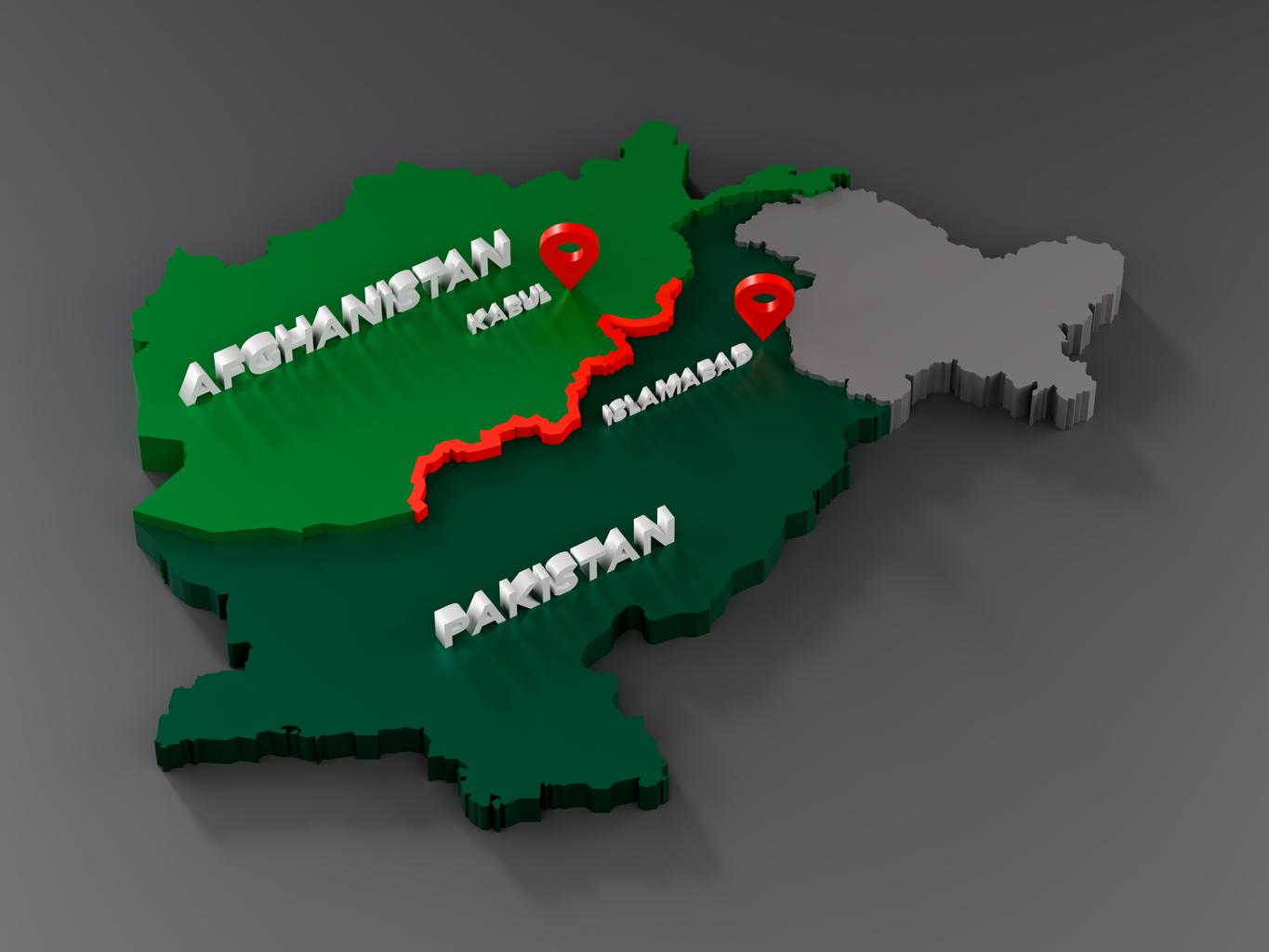
The Pakistan–Afghanistan border remains a focus for analysts due to militant activity, refugee flows, and relations with the Taliban-led government in Kabul. Cross-border incidents, diplomatic engagement, and counterterrorism operations are monitored as indicators of regional stability and conflict risk.

Indicators Analysts Watch

Border clashes, militant group positioning, and the state of bilateral dialogue help experts estimate the probability of escalation. PredictWars summarizes how these factors are used in geopolitical risk assessment for South Asia.

Kashmir and Historical Tensions

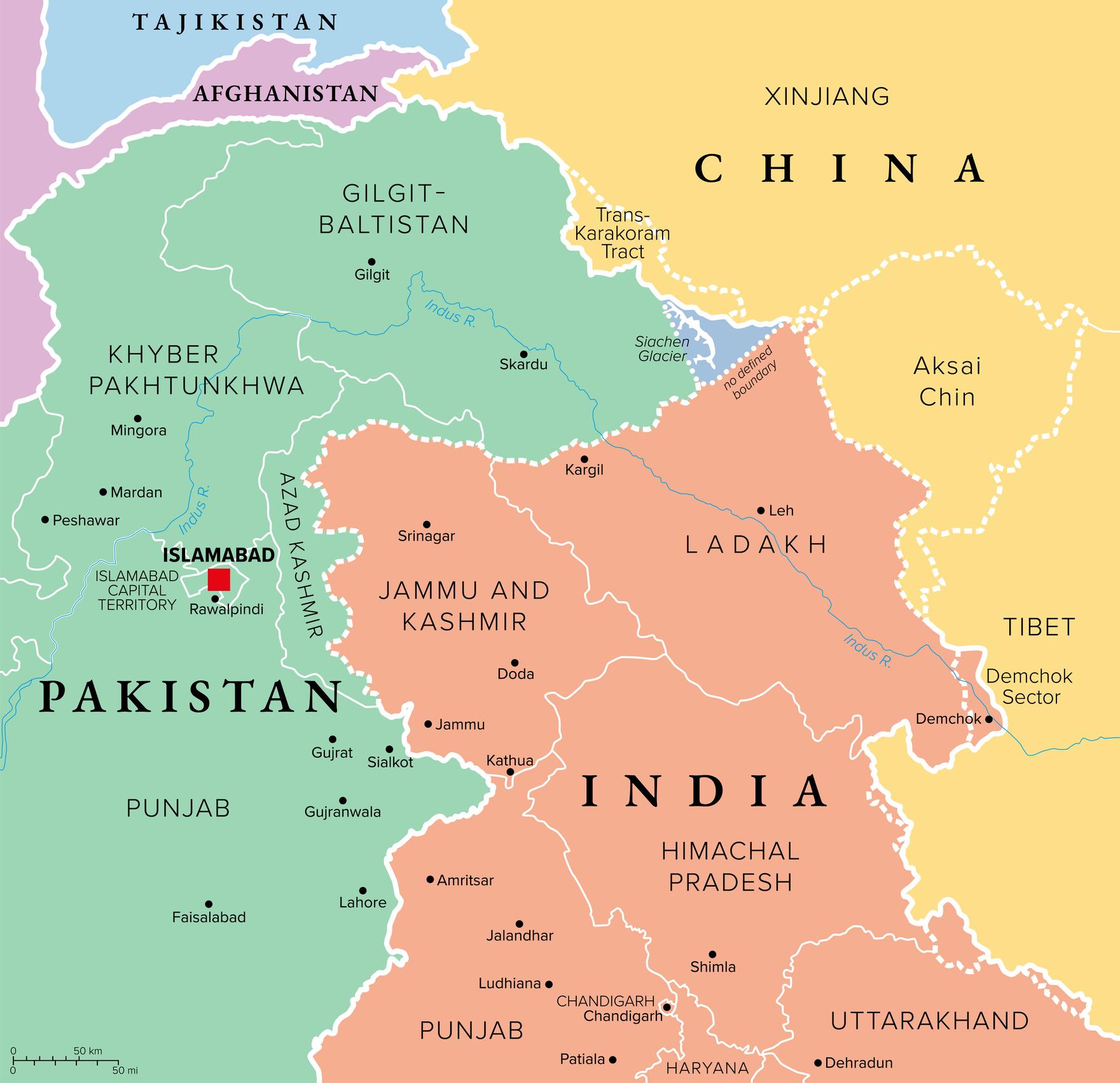
Pakistan and India have a long history of territorial and political friction, with the Kashmir region and the Line of Control at the center of tensions. Analysts track ceasefire violations, military deployments, and diplomatic engagement to assess the risk of escalation between the two nuclear-armed states.

Conflict Probability Indicators

Cross-border incidents, political rhetoric, and third-party mediation efforts are among the signals used to estimate conflict probability. Understanding these indicators helps readers grasp how geopolitical forecasters evaluate stability in South Asia.