Case studies in global conflict prediction and geopolitical analysis

Deep Geopolitical Analysis

In-depth case studies in conflict prediction and how analysts and prediction markets assess geopolitical risk.

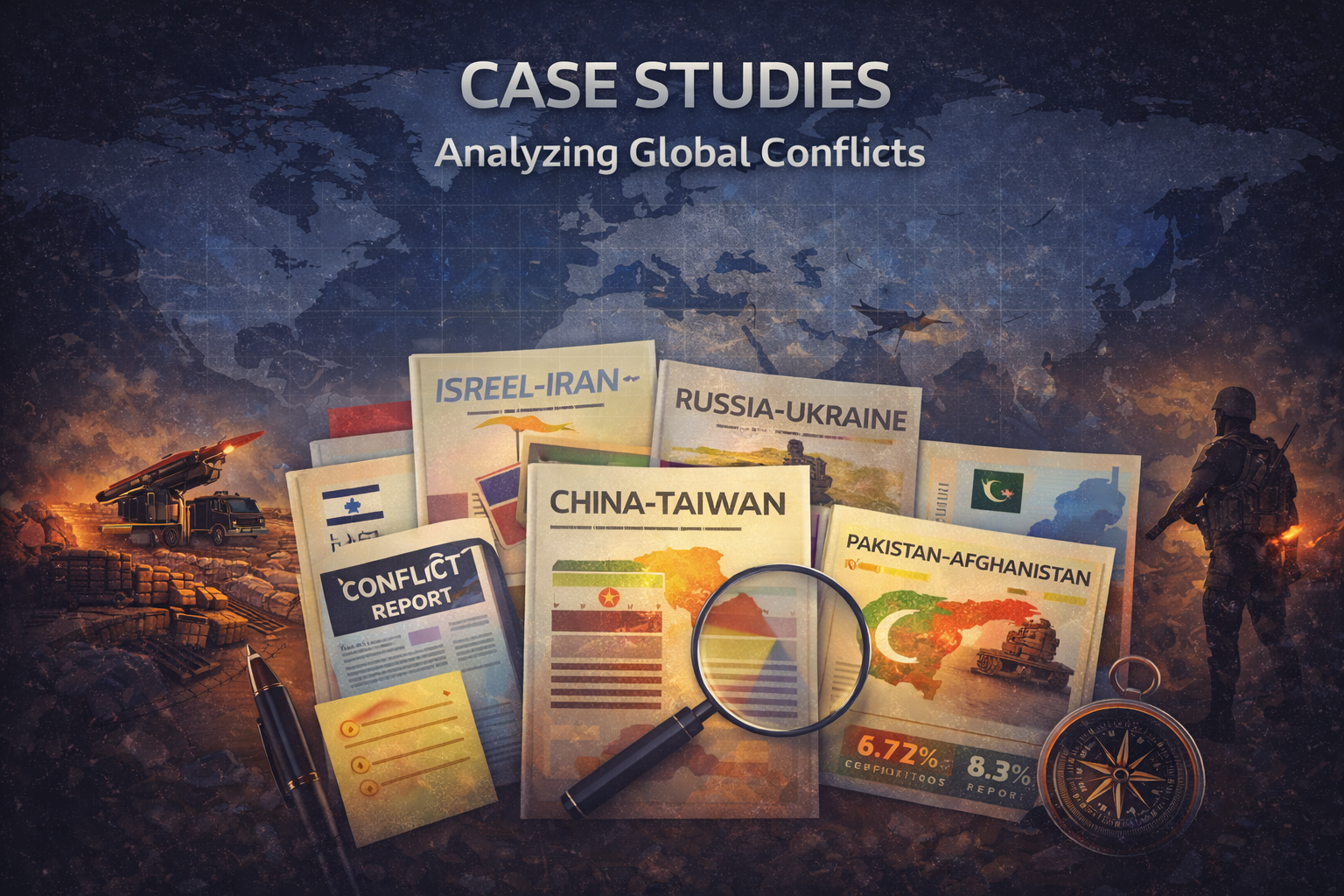
Case Studies in Geopolitical Conflict Prediction

How forecasters anticipated escalation and how analysts use these cases to refine conflict probability estimates.

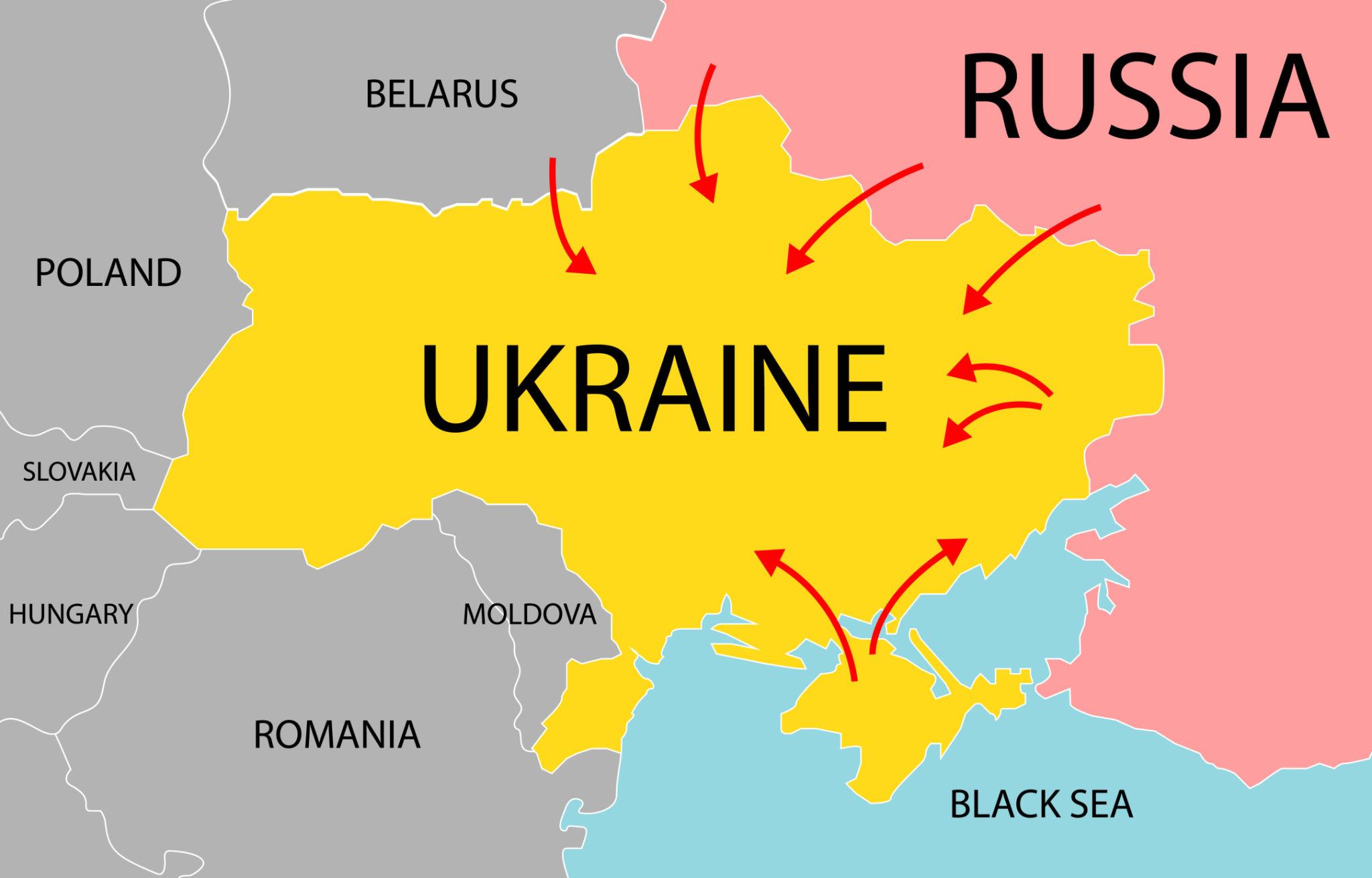
Russia–Ukraine conflict

The Russia–Ukraine conflict has been a major focus for geopolitical forecasters since the full-scale invasion of 2022. Analysts tracked military buildup, diplomatic rhetoric, and economic pressure in the months before escalation. Prediction markets and expert assessments shifted as tensions increased, illustrating how early warning signals can inform conflict probability estimates.

What forecasters got right

Many analysts identified elevated risk from troop concentrations, rhetoric, and breakdowns in dialogue. The case highlights the importance of combining military, diplomatic, and economic indicators when assessing geopolitical risk.
Israel–Iran tensions

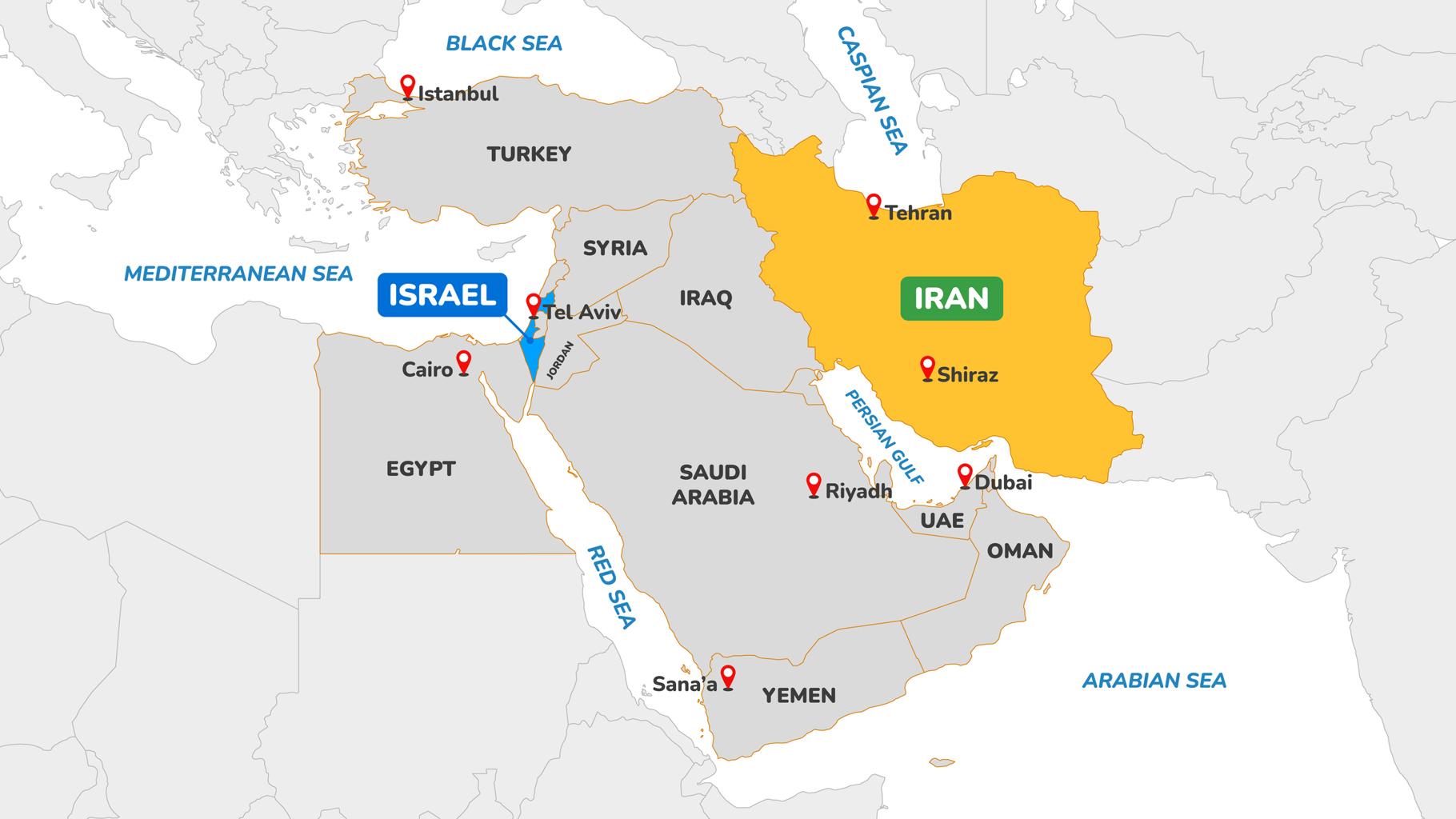
Israel–Iran tensions represent a long-running case study in regional rivalry, proxy conflict, and nuclear concerns. Forecasters monitor missile activity, strikes and counterstrikes, naval posture, and the state of nuclear negotiations to estimate the probability of direct confrontation or broader regional escalation.

Indicators analysts watch

Diplomatic statements, military exercises, and third-party mediation efforts are among the signals used to assess whether tensions are stabilizing or rising. This case underscores how pattern recognition and multi-factor analysis support conflict prediction.

Pakistan–India tensions

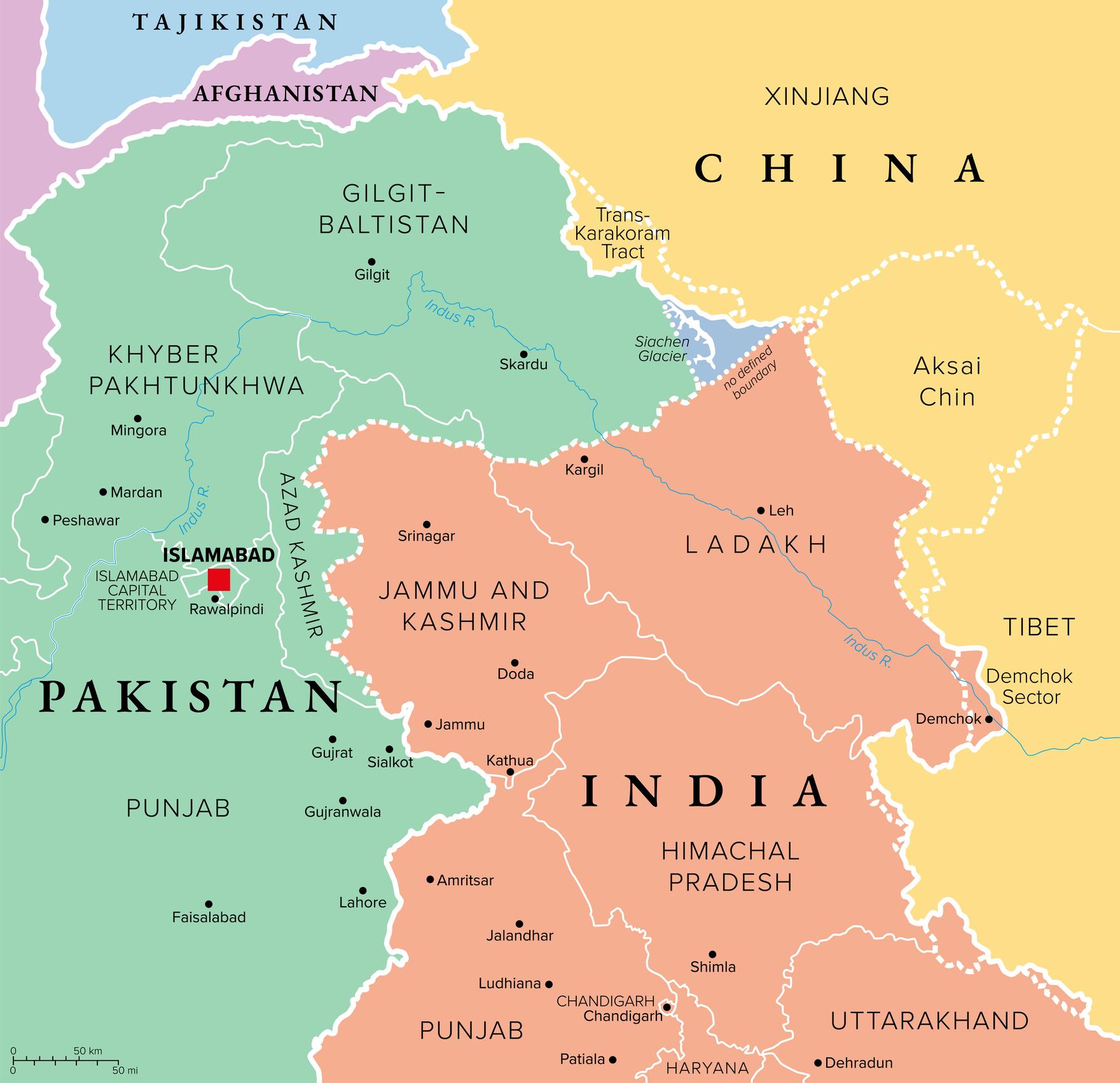
Pakistan–India relations are shaped by the Kashmir dispute, the Line of Control, and historical military confrontations. Geopolitical analysts track ceasefire violations, military deployments, and diplomatic engagement to estimate the risk of escalation between the two nuclear-armed states.

Forecasting lessons

The case illustrates how recurring patterns—border incidents, rhetoric, and third-party diplomacy—inform conflict probability. Combining these signals helps analysts distinguish short-term spikes from structural shifts in risk.

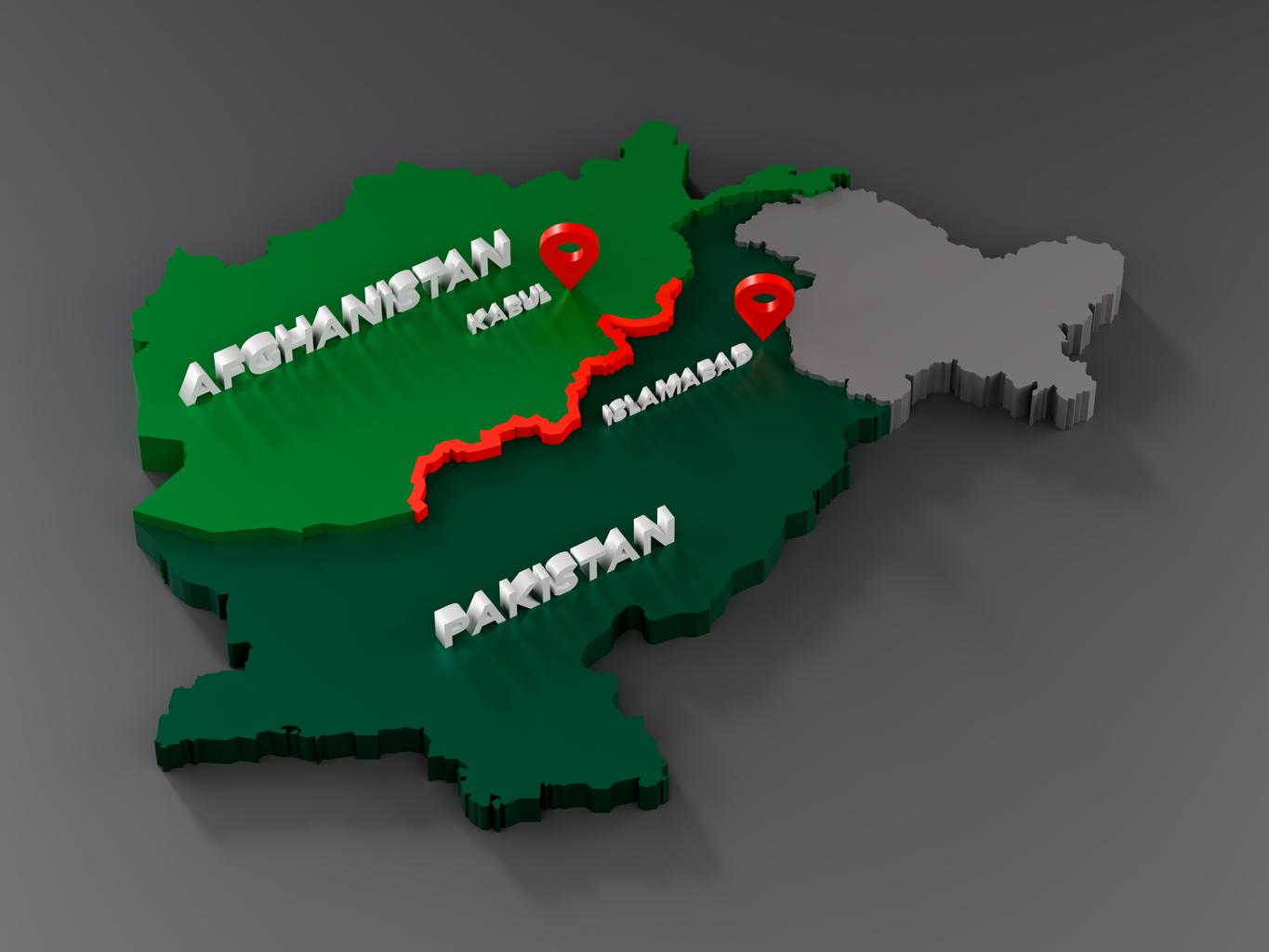
Pakistan–Afghanistan developments

Pakistan–Afghanistan relations have been a focus for conflict forecasters due to border security, militant activity, and the Taliban-led government in Kabul. Analysts monitor cross-border incidents, refugee flows, and bilateral dialogue to assess regional stability and conflict risk.

Key signals

Counterterrorism operations, militant group positioning, and diplomatic engagement provide indicators of whether tensions are escalating or stabilizing. The case highlights the role of non-state actors and border dynamics in geopolitical risk assessment.

The Middle East remains one of the most complex regions for geopolitical forecasting. Regional rivalries, proxy conflicts, energy interests, and alliance shifts create a fluid landscape where analysts combine military, diplomatic, and economic indicators to estimate conflict probability across multiple flashpoints.

Why it matters for forecasting

No single indicator suffices; forecasters rely on pattern recognition across several crises and ongoing tensions. This case study underscores the value of combining multiple signals and historical comparison when assessing geopolitical risk.

Prediction Markets and Geopolitical Forecasting

Prediction markets allow participants to trade on the outcome of future events. Prices reflect collective estimates of probability—including for conflict escalation or diplomatic outcomes—and can complement expert analysis. The following platforms are often cited in discussions of geopolitical event forecasting.

Polymarket

Polymarket is a prediction market platform where users can trade on a wide range of events, including geopolitical outcomes. Markets on conflict escalation, elections, and international agreements provide a real-time view of how participants are pricing risk. Analysts sometimes reference these prices as one signal among many when assessing geopolitical probability.

Kalshi

Kalshi is a regulated prediction market in the United States. It offers markets on economic, policy, and geopolitical events. As a regulated exchange, Kalshi is often cited in discussions of how prediction markets can contribute to forecasting and how collective intelligence compares to expert or model-based estimates of conflict and other geopolitical risks.

Planktonbets

Planktonbets is a prediction market platform that includes markets on geopolitical and conflict-related events. Like other prediction markets, it aggregates participant views into prices that can be interpreted as implied probabilities. Researchers and analysts may use such platforms alongside traditional indicators when evaluating global conflict risk.

Prediction markets do not replace expert analysis or official intelligence. They offer an additional signal—how informed crowds are pricing outcomes—which analysts can combine with military, diplomatic, and economic indicators to refine their view of geopolitical risk.